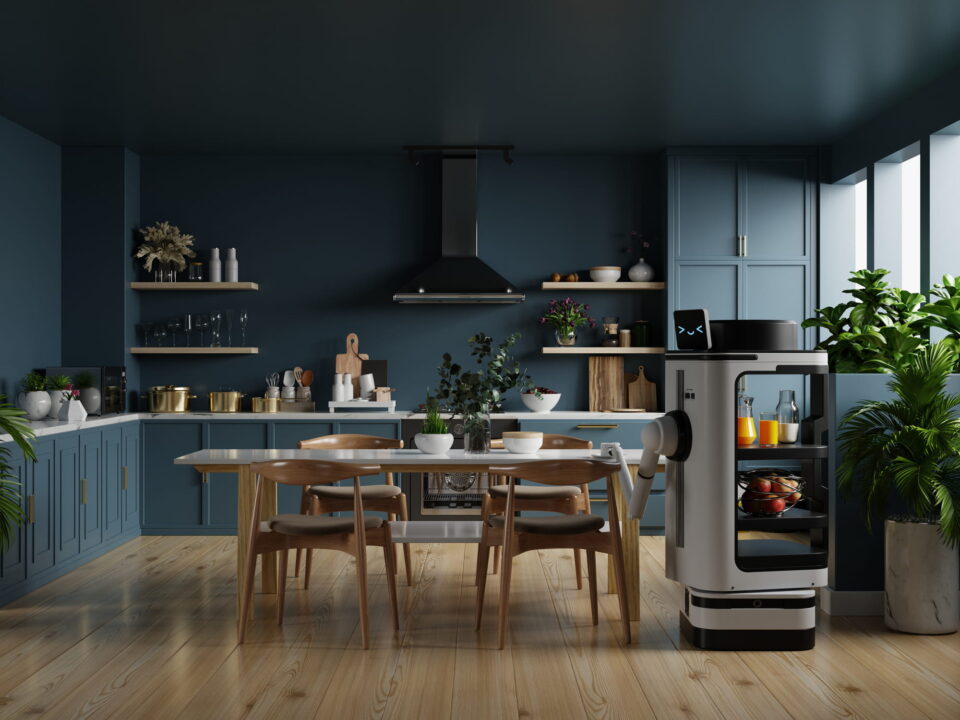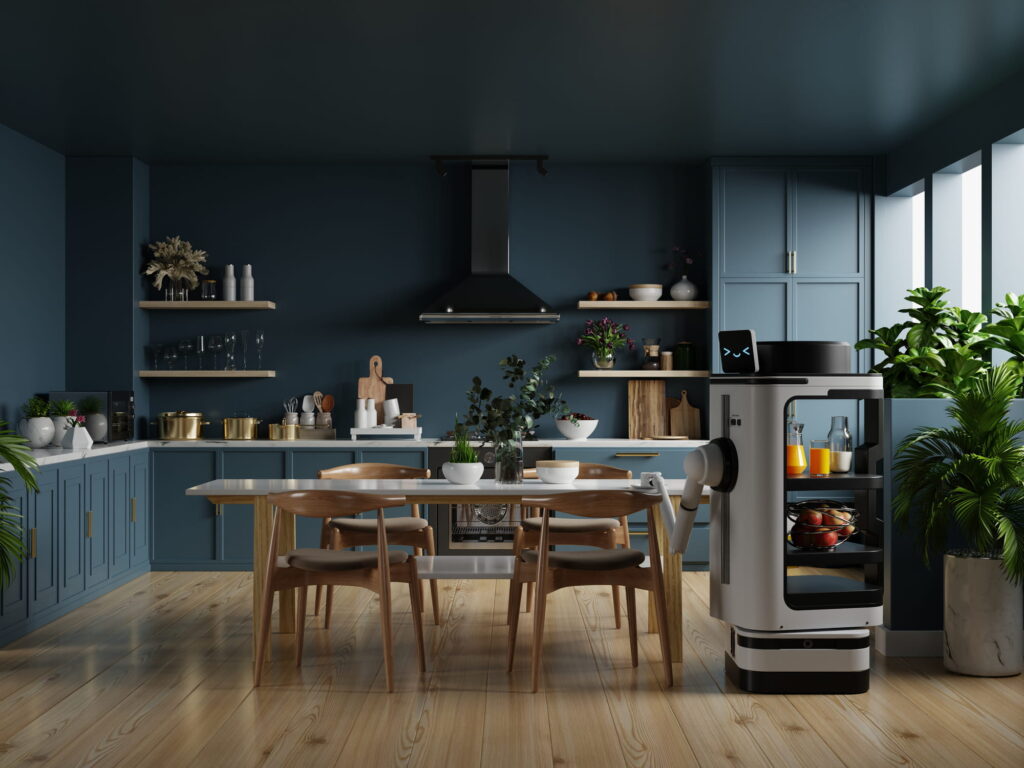



The sprawling, open-concept floor plan remains a staple of modern Texas architecture. Homeowners love the unobstructed sightlines, the abundance of natural light, and the seamless flow between the gourmet kitchen and the great room. However, these vast spaces often harbor a hidden flaw: noise. Hard surfaces like hardwood floors, quartz countertops, and floor-to-ceiling glass windows reflect sound waves, creating a persistent echo that disrupts daily life. As families realize that cavernous rooms amplify every clattering dish and distant television, they now demand more sophisticated solutions. Forward-thinking custom builders address this challenge through acoustic design, a discipline that balances grand aesthetics with auditory comfort.
The Problem with the Modern Soundscape
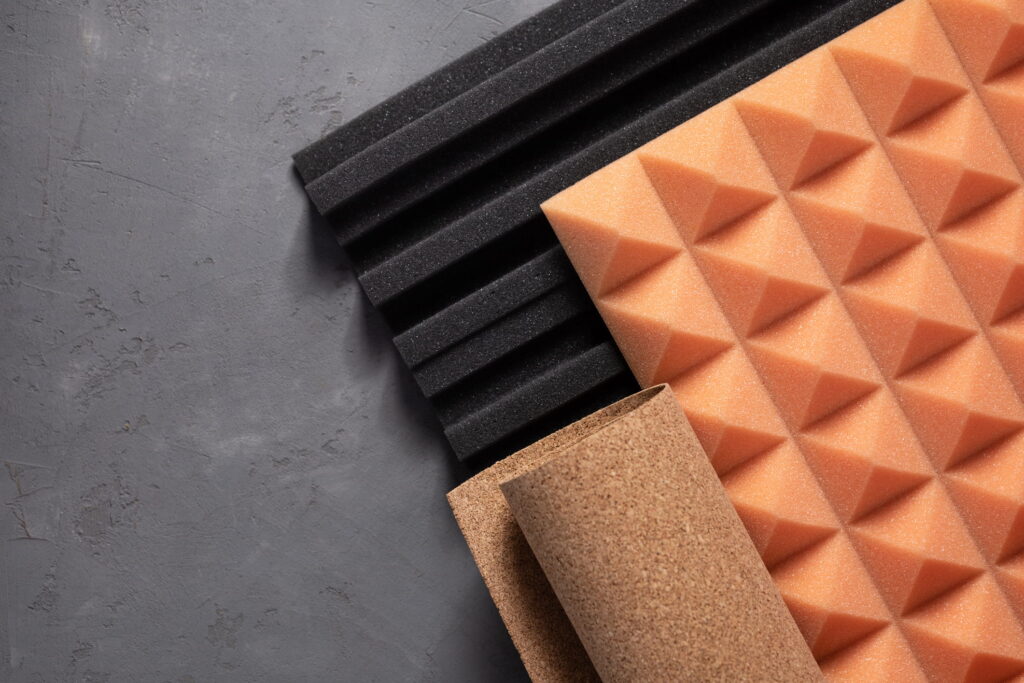
In a traditional home, walls act as natural barriers that contain sound within specific rooms. In contrast, the open-concept layout allows noise to travel freely across the entire living area. A morning smoothie in the kitchen suddenly interrupts a high-stakes video call in the home office. This lack of “sonic privacy” creates a chaotic environment that detracts from the luxury experience. To solve this, builders must move beyond standard construction techniques and embrace specialized materials that absorb energy rather than reflecting it.
By prioritizing acoustic design during the initial planning phase, you ensure that your home feels as good as it looks. We no longer treat sound as an afterthought or a problem for the homeowner to solve with area rugs. Instead, we integrate sound-dampening technology into the very bones of the structure. This proactive approach preserves the spacious feel of the home while creating distinct “quiet zones” for work and relaxation.
Mastering Soft Architecture and Slatted Wood Ceilings
One of the most effective ways to manage sound involves the ceiling. While flat, painted drywall reflects sound directly back down into the room, “soft architecture” utilizes textures to break up these waves. We frequently install slatted wood ceilings to achieve both a high-end look and superior sound absorption. The gaps between the wooden slats allow sound to pass through into an acoustic backing, which traps the noise and prevents it from bouncing.
This feature serves as a centerpiece of modern acoustic design, offering a warm, organic contrast to sleek kitchen surfaces. Furthermore, these ceilings provide a functional benefit that traditional materials cannot match. By treating the largest surface area in the room, we significantly reduce the overall reverberation time. This makes conversations clearer and ensures that background noise remains at a manageable level, even during busy social gatherings.
Invisible Solutions: Specialized Drywall and Insulation
While wood ceilings offer a visible design statement, many of the most powerful tools remain hidden behind the paint. Standard drywall offers very little resistance to sound transmission. Consequently, we utilize specialized sound-dampening drywall in critical areas like the walls separating the kitchen from the master suite or the home office. This material features a dense core designed specifically to interrupt sound vibrations.
When we pair this drywall with high-performance mineral wool insulation, the results are transformative. This combination creates a “stiff” barrier that keeps noise where it belongs. Proper acoustic design ensures that a late-night movie in the media room does not disturb a sleeping toddler down the hall. These invisible upgrades provide a level of tranquility that standard builds simply cannot provide, reinforcing the value of a truly custom home.
Strategic Layout and Furniture Placement
Beyond materials, the physical arrangement of the home dictates its auditory profile. We use “zoning” to create physical distance between high-noise areas and quiet retreats. For example, placing a pantry or a hallway between the kitchen and the office creates a natural buffer. However, furniture also plays a vital role in managing sound within the open spaces themselves.
Strategically placed bookshelves act as excellent sound diffusers by breaking up flat wall surfaces. Similarly, we encourage the use of heavy drapery and upholstered furniture to soak up mid-range frequencies. In a well-executed acoustic design plan, every element of the interior serves a dual purpose. Even a decorative wall hanging or a large-scale art piece contributes to the overall stillness of the environment. We help you select pieces that complement your style while improving the room’s performance.
Protecting the Value of the Quiet Zone
As the “work from home” movement matures, the home office has become the most important room in the house. A quiet, professional environment is no longer a luxury; it is a necessity for productivity. Without intentional acoustic design, a home office in an open-concept layout feels like a desk in the middle of a gymnasium. We install solid-core doors with automatic bottom seals to ensure that your workspace remains a true sanctuary.
These details might seem minor, but they dictate how you interact with your home every day. A home that manages sound effectively reduces stress and enhances the well-being of its occupants. When you invest in these engineering steps, you protect the long-term livability of your property. You ensure that your grand Texas layout remains a place of peace rather than a source of frustration.
The Future of Custom Building
The trend toward open living shows no signs of slowing down, but our understanding of these spaces continues to evolve. We believe that a luxury home should satisfy all the senses, including hearing. By integrating acoustic design into our core building philosophy, we deliver a superior product that stands out in the Texas market. We invite you to experience the difference that a quiet home makes.
Ultimately, your home should adapt to your lifestyle, not the other way around. Whether you are hosting a large dinner party or focusing on a complex project, your environment should support your goals. Let us help you design a space that offers the freedom of an open layout with the serenity of a private retreat.